Smile Design with Porcelain Veneers in London Ontario: From Consultation to Crown
Porcelain veneers are one of the most versatile tools for building a confident, natural smile. When planned well, a set of veneers can brighten discoloured teeth, close gaps, straighten edges, and repair chips without sacrificing healthy tooth structure. The process looks simple on social media, but in practice, the best outcomes come from careful assessment, thoughtful design, and precise collaboration between dentist, ceramist, and patient. In London, Ontario, we also coordinate with periodontists, orthodontists, and when needed, colleagues who focus on dental implants, so your veneers are anchored in healthy, stable foundations.
This guide walks through the journey from your first conversation to the final bonded crowns or veneers, with practical details you can use to decide if this path fits your goals.
What porcelain veneers can do, and where they fall short
A veneer is a thin custom ceramic shell bonded to the front and biting edge of a tooth. Modern lithium disilicate and feldspathic porcelains can mimic enamel’s translucency and surface texture so closely that, in normal conversation distance, even a trained eye needs time to pick them out. Veneers excel at the smile zone, roughly from canine to canine and often the premolars.
They shine in these scenarios: long-standing stains that do not respond to whitening, peg laterals, small gaps, uneven edges from wear, minor misalignment, and enamel defects. They can also balance gumline heights and broaden a smile arc for better facial harmony.
There are limits. Large fractures, heavy bite forces from bruxism, or deep malalignment may call for full crowns, orthodontic movement, or a combination. Severely rotated teeth are risky to “mask” with porcelain because the bond relies on enamel. For missing teeth, implants or bridges are the right tools, not veneers. In London, many patients who search for dental implants London Ontario or dentures London Ontario end up in our chair because they also need to harmonize the visible front teeth. Veneers frequently become part of a larger plan that includes dental implants London for back tooth support or removable dentures in limited segments, and that integration determines longevity.
The first conversation and why observation comes before action
An initial consultation lasts 45 to 90 minutes in most practices that take smile design seriously. The core agenda is listening. I ask what you see in the mirror and in photos, what you like about friends’ smiles, what you liked about your teeth five or ten years ago, and which features you want to fix first if we cannot do everything at once. The answers help set priorities and steer the design. Some patients want luminous, “California bright” central incisors. Others want a lower value porcelain so the result looks like they were born with it. Neither is wrong. The right shade and texture are personal and contextual.
Photography supports this conversation. We take a series of intraoral and full face photos at rest, in a broad smile, and in speech. Short videos often reveal more about tooth display and lip mobility than still shots. If you have a history of grinding, we chart wear facets and look for enlarged masseter muscles. Periodontal charting checks gum health. Radiographs confirm bone levels and hidden decay. If you are already planning restorations with a dental implants periodontist, we coordinate so implant diameters, emergence profiles, and veneer contours all speak the same design language.
This is also where I screen for disease. Inflamed gums, active decay, or occlusal instability are red flags. Veneers placed on an unhealthy foundation invite early failure. Sometimes the smartest move is to pause, clean, stabilize the bite with a splint, or whiten and re-evaluate colour in 2 to 3 weeks before scanning for the lab.
From wishlist to blueprint: digital smile design and test drives
Great porcelain work starts with a plan you can see. We combine photos, a 3D scan, and a bite record to build a digital wax-up. The wax-up is not just about pretty shapes, it encodes function. Incisal edges must meet the lower teeth in a way that guides the jaw gently. Canines should protect back teeth in side movements. This is especially important if you have a history of headaches, clicking, or chipping.
Patients often ask how many veneers they need. The answer hinges on how many teeth show in your widest unforced smile. In London, I see a range from 6 to 10 teeth per arch. For some, a set of 6 upper veneers blends well. For others with a wide smile line, 8 to 10 units look far more natural because we can carry the shade and texture back. Doing fewer can work if we carefully match the value of your natural enamel, but the wider your display, the more obvious a shade transition becomes.
A test drive comes next. We transfer the digital plan to your mouth using a flow resin or temporary material, often without touching your teeth. This mock-up lets you see and feel the new contours during speech. The mock-up matters more than any photoshop because it lives in your bite. You can read a paragraph out loud. You can feel your lips rest on the new edges. If your tongue clicks on an S sound or your lower lip catches on an edge during F and V sounds, we adjust. These rehearsals help us avoid awkward surprises on delivery day.
Tooth preparation, or how little is enough
The goal is to preserve enamel. Adhesive dentistry is strongest when the bond is to enamel rather than dentin. We use depth-cutting burs and silicone reduction guides to remove only what we need. Many cases, especially when we are just lengthening or closing small gaps, require as little as 0.3 to 0.5 millimetres. Larger color changes or rotated teeth might require more. When a tooth is significantly misaligned, I discuss limited orthodontics first. Six months of aligner therapy can save two millimetres of tooth structure. That trade is almost always worth it, even if it means deferring the photo-worthy outcome a few months.
For patients with gum recession, we weigh whether to extend veneer margins slightly under the gum or keep them equi-gingival. Subgingival margins can hide old composite stains and help with color transitions, but they require extra care to avoid gum irritation. If tissue levels are asymmetric, we might coordinate with a periodontist for laser gingivectomy or crown lengthening so the new edges sit in harmony with your lip line. These are small moves that pay large dividends in final photos.
Temporaries that teach us something
Once teeth are prepared, we place provisional veneers using the same design as the mock-up, now adapted to the reduced teeth. Good provisionals are not throwaways. They are your daily driver for two to three weeks and they teach us where to adjust. If your lower lip snags on a corner when you sip coffee, that is feedback. If your gums blanch near the papilla, we relieve the contour. I ask patients to treat this period as a rehearsal. Speak, eat, and live normally. Send a selfie in daylight and a short video reading a few lines. Your feedback informs the final ceramic.
We also refine shade choices during this phase. Natural teeth are not a single block of colour. Centrals are often brighter with more translucency near the edges. Laterals can be slightly more rounded and a touch brighter. Canines carry more saturation. The ceramist will ask for a stump shade, which is the color of the prepared tooth, and a desired final value. If you always wanted a brighter smile, we often bleach the lowers at this stage to match the future upper veneers. Whitening after veneers are placed can only change the natural teeth, not the porcelain.
Laboratory craftsmanship and material selection
In the lab, the ceramist builds your veneers by hand or mills them and then layers ceramic to achieve depth. Material choice depends on the case. Feldspathic porcelain offers unmatched translucency for thin veneers on bright underlying teeth. Lithium disilicate, often known by brand names, balances strength and beauty when we need more coverage or a moderate color change. Zirconia has improved, but we reserve it for areas that demand strength or for substructures under layered ceramics, not for ultra-thin facial veneers in the esthetic zone.
Communicating texture and luster is as important as shade. A twenty-eight-year-old incisor does not look like a fifty-year-old one. Younger teeth show perikymata and microtexture that play with light. More mature teeth develop a gentler luster with less pronounced texture. Your age, personality, and style inform these decisions. I show examples and ask what feels like you. Some prefer crisp glassy surfaces. Others ask for softened edges that look lived in. When the lab nails this, the veneers disappear into your face, which is the real goal.
Try-in day, bonding, and the moment of truth
On delivery day, we remove the temporaries and clean the teeth. Each veneer is tried in with a water-based try-in paste that mimics the final cement colour. We evaluate edge position, midline alignment, bite contacts, and shade under natural and operatory lights. If even one piece needs a tweak, we send it back. Good communication here protects you from settling for almost right.
When everything looks and feels right, we bond. The bonding protocol is meticulous because the interface between porcelain, resin, and enamel is where veneers earn their lifespan. We isolate, etch the tooth, prime, and apply adhesive. The inner veneer surface is etched and silanated. We seat with a resin cement that matches the chosen value, clean the margins, tack cure, floss interproximal contacts, and then fully cure from multiple angles. We check occlusion in all movements, polish margins, and take post-op photos. You leave with a smile that is firm enough to eat dinner as usual.
How long veneers last, and what moves the needle
In well-chosen cases with good technique and reasonable habits, porcelain veneers often last 10 to 20 years. The spread reflects human behavior and biology more than ceramic. Night grinding without a guard, frequent ice chewing, or chronic dry mouth all shorten the timeline. A careful bite analysis and a custom night guard extend it. Gums that stay healthy keep margins hidden and reduce staining at the edges.
Repairs are possible. A small chip on an incisal edge can often be polished or bonded with composite. A fracture through the body of the veneer usually means a remake. Color stability is excellent with modern porcelains. If a veneer looks too bright years later, it is often the surrounding natural teeth that have darkened. Whitening the lower teeth or adding subtle surface stain to the porcelain can re-harmonize.
Costs in London, Ontario and how to think about value
Fees vary by practice and lab partnership. In London, Ontario, a single porcelain veneer typically ranges from the low $1,200s to the mid $2,000s per tooth, depending on complexity, the ceramics lab, and whether we coordinate gum or bite work. Cases that involve interdisciplinary planning with a dental implants periodontist, orthodontics, or surgical crown lengthening will sit higher. Insurance rarely covers veneers because they are considered elective. That said, if a tooth has a structural fracture, a full coverage crown may be justified and partially covered. We discuss mixed plans that blend veneers and crowns where appropriate so the budget funds the priorities that move the needle for you.
Veneers, crowns, and when implants or dentures are the right call
It is tempting to use one solution for every problem. That leads to compromises. When a front tooth has a large existing filling, a full coverage crown may seal and strengthen better than an ultra-thin veneer. When a tooth is missing, a single tooth implant is king for preserving bone and providing a natural emergence profile in the gum, as long as the bone and tissue allow. In those cases, we coordinate abutment shape and crown shade so the implant crown and neighboring veneers look like siblings, not cousins. Patients searching dental implants London will see the same principle echoed by their periodontist or implant surgeon, and that shared planning keeps your smile coherent.
When several adjacent teeth are unsavable or missing, partial dentures can be a bridge to more definitive care or a chosen long-term solution. Dentures London Ontario providers offer flexible partials that blend well, but they move slightly in function, which affects how aggressively we can lengthen or thin neighboring veneers. I set expectations honestly. You can achieve a beautiful result with mixed modalities, but we must respect how each piece behaves.
Special situations that change the plan
Every mouth tells a story. A few scenarios come up often.
Tetracycline staining. Deep banded discoloration from childhood antibiotics is hard to mask while keeping translucency. We review two routes. Stacked feldspathic porcelain can layer color and opacity strategically, but the veneers may need to be slightly thicker. Alternatively, staged internal bleaching for non-vital teeth and external whitening for the rest can reduce the baseline shade before veneer design, which preserves more enamel.
Short clinical crowns. If your teeth are small or you have a gummy smile, adding length without changing gum position may overload the bite or make the teeth look out of proportion. Minor crown lengthening or orthodontic intrusion can set the stage so the final edges sit in a natural arc relative to your lower lip.
Bruxism and erosion. Acid wear from reflux or bruxism-induced flattening changes guidance. Placing long incisal edges on a destructive bite is a recipe for chips. We either rebuild back teeth first to re-establish support, place a protective night guard, or moderate the new length cosmetic dentistry in London Ontario and accept a more conservative change in shape. The night guard is not optional in heavy bruxers. Patients who wear it reliably tend to keep their veneers pristine for many years.
Previous root canals. Teeth that had prior endodontic treatment can darken. We often place a thin opaque layer in the veneer to neutralize the darkness and then build translucency over it. Sometimes an internal bleach through the access improves the stump shade enough that we can keep the veneer thinner and more lifelike.
What the calendar looks like
Most smile design cases run 3 to 6 weeks from records to delivery if the gums and bite are healthy. Add more time if we need whitening, tissue sculpting, or aligner pre-treatment. Here is the typical rhythm in plain language:
- Consultation, photos, and digital scans. We outline goals, record your bite, and discuss material choices.
- Smile design and mock-up appointment. You test drive the shape in your own mouth and we refine.
- Preparation and provisionalization. Teeth are minimally shaped, and provisionals go on using the approved design.
- Lab fabrication. The ceramist builds your veneers or crowns using our records, photos, and shade maps.
- Try-in and bonding. We verify fit, bite, shade, and then bond each piece under isolation. You leave with detailed aftercare and a custom night guard plan if indicated.
Some cases consolidate the last two steps in one longer visit. Others add a separate bite refinement appointment, especially in complex occlusions. I prefer one extra short visit to catch and correct micro-interferences before they become chips.
Aftercare that actually matters
Brushing, flossing, and regular hygiene visits still do most of the work. Porcelain does not decay, but the tooth behind it can. Soft-bristled brushes and non-abrasive paste protect the glaze. If you love whitening toothpaste, choose one with low abrasivity and use it sparingly. Hygienists who are familiar with veneers use fine grits and felt wheels, not coarse prophy paste, to maintain the luster.
Night guards deserve their own paragraph. If you clench or grind, your veneers will thank you for the barrier. A custom acrylic guard that fits like a glove spreads forces and preserves edges. People who skip their guard are the same people we see for small chips at year two or three.
Food is rarely an issue. Bite apples with the side teeth and slice crusty bread rather than tearing with the centrals. Avoid opening packets with your front teeth. Simple habits add years.
If you smoke or vape, the porcelain resists staining, but the margins and natural neighbors will darken. Scheduling a polish every six months keeps the transition clean. Any sensitivity after bonding usually resolves within days. If it lingers or spikes, we check for a high spot or a micro-leak, and address it promptly.
How we integrate veneers with implants and periodontics in London
In a city the size of London, you have access to excellent surgical colleagues. Collaborative cases begin with a shared digital plan. If a lateral incisor is missing and we plan veneers on the centrals and canine, the implant needs to sit exactly where the emergence creates a natural papilla. That means 3D imaging, a surgical guide, and sometimes a soft tissue graft to bulk the gum. The timing matters too. We often shape the provisional implant crown to sculpt the gum before we finalize the neighboring veneers. It is choreography, not a solo.
If you already have implants placed by a dental implants periodontist and are now seeking veneers, bring your surgical notes or let us connect with the office. We adjust our designs to the actual abutment positions. The same goes for patients wearing partial dentures. The clasp positions and acrylic flanges define where we can add volume without interference. Getting these details right keeps your smile comfortable and durable.
A quick self-check before you book
Here is a short filter I use with patients to decide if porcelain veneers are a smart investment right now:
- You can point to two or three specific things you want to change, not just a vague sense of dissatisfaction.
- Your gums are healthy or you are willing to treat them first.
- You accept that we will remove a small amount of enamel on treated teeth.
- You understand that a night guard might be part of the package if you clench or grind.
- You are open to matching the number of veneers to your smile width for the most natural result.
If you nod along to these points, a consult is worth your time. If not, you might start with whitening, edge bonding, or orthodontics, then revisit veneers later.
Realistic expectations and the pleasure of small details
The best compliment my team hears after delivery is not “these look amazing,” though that is nice, it is “I feel like myself again.” Luminosity, incisal translucency, and microtexture all play roles, but the human elements matter more. The way your upper central edges follow your lower lip when you smile. The way speech sounds crisp, not whistly or dull. The way your partner does a double take in the morning light because something is undeniably better, but they cannot immediately say what changed.
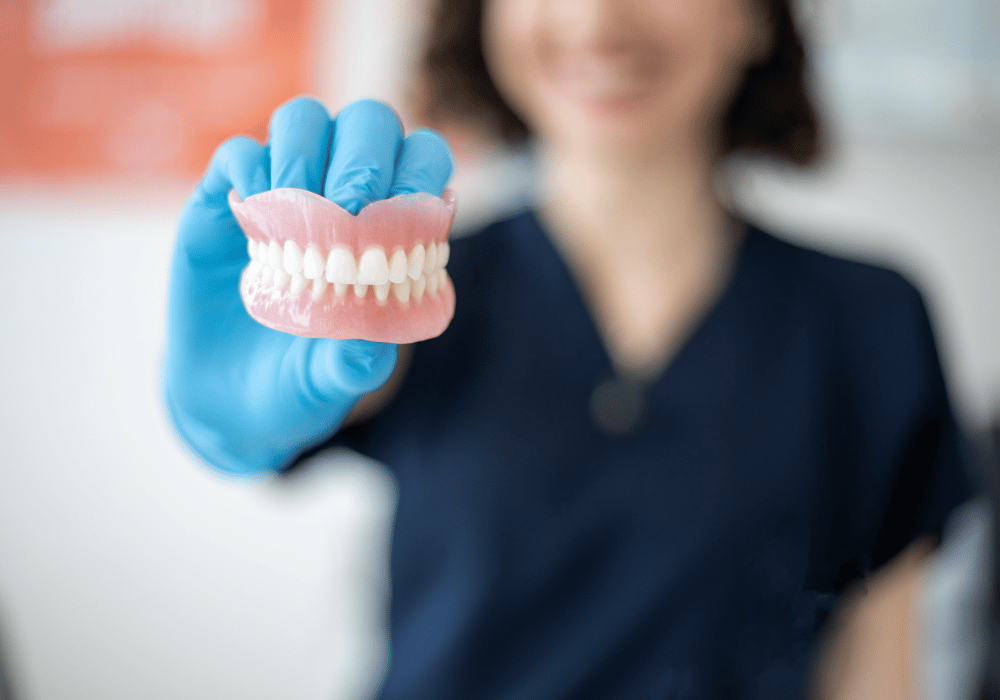
Those results happen when we respect the boundaries of biology, choose materials intentionally, and build in checkpoints on the way to cement. Veneers are not one appointment magic. They are a crafted part of a larger oral ecosystem. For some, that ecosystem includes dental implants London or even short-term dentures London Ontario while waiting for grafts to heal. Done well, porcelain veneers sit comfortably in that mix, adding confidence without demanding compromise elsewhere.
If you are considering smile design in London, Ontario, bring your questions and a few photos of smiles you like. A good conversation, thoughtful planning, and a willingness to test drive shapes before committing will serve you better than any trend. From consultation to crown, the work is meticulous. The reward is a smile that supports your face, your voice, and your life.
Paradigm Dental — Business Info (NAP)
Name: Paradigm DentalAddress: 532 Adelaide St N, London, ON N6B 3J4, Canada
Phone: (519) 672-3232
Website: https://paradigmdental.ca/
Email: [email protected]
Hours:
Monday: 8:00 AM – 5:00 PM
Friday: 8:00 AM – 3:00 PM
Open-location code (Plus Code): XQV8+3Q London, Ontario
Map/listing URL: https://www.google.com/maps/place/Paradigm+Dental/@42.9926997,-81.2356417,17z/data=!4m7!3m6!1s0x882ef3007061d71f:0x772b512bba5c27cb!8m2!3d42.9926997!4d-81.2330668!15sChZQYXJhZGlnbSBEZW50YWwgTG9uZG9uWhgiFnBhcmFkaWdtIGRlbnRhbCBsb25kb26SAQ1kZW50YWxfY2xpbmlj4AEA!16s%2Fg%2F11rk021m3q
Embed iframe:
Socials (canonical https URLs):
Facebook: https://www.facebook.com/61577765603392/
https://paradigmdental.ca/
Paradigm Dental is a family dental clinic in London, Ontario providing general dentistry and a range of in-office dental care services.
Patients can request an appointment for routine exams and cleanings, restorative dental work, and other clinic services listed on the website.
The office address is 532 Adelaide St N, London, ON N6B 3J4, Canada.
To contact Paradigm Dental, call (519) 672-3232 or email [email protected].
Hours currently listed are Monday 8:00 AM–5:00 PM and Friday 8:00 AM–3:00 PM.
For directions and listing details, use the map listing: https://www.google.com/maps/place/Paradigm+Dental/@42.9926997,-81.2356417,17z/data=!4m7!3m6!1s0x882ef3007061d71f:0x772b512bba5c27cb!8m2!3d42.9926997!4d-81.2330668!15sChZQYXJhZGlnbSBEZW50YWwgTG9uZG9uWhgiFnBhcmFkaWdtIGRlbnRhbCBsb25kb26SAQ1kZW50YWxfY2xpbmlj4AEA!16s%2Fg%2F11rk021m3q.
Follow updates on Facebook: https://www.facebook.com/61577765603392/
Popular Questions About Paradigm Dental
Where is Paradigm Dental located?Paradigm Dental is located at 532 Adelaide St N, London, ON N6B 3J4, Canada.
How do I contact Paradigm Dental?
Phone: +1-519-672-3232
Email: [email protected]
Website: https://paradigmdental.ca/
What are the hours for Paradigm Dental?
Hours listed: Monday 8:00 AM–5:00 PM and Friday 8:00 AM–3:00 PM.
What services does Paradigm Dental offer?
The clinic lists services such as examinations and cleanings, fillings, crowns/bridges, dentures, root canal therapy, orthodontic options, dental implants, and other dental care services (availability can vary).
How do I get directions to Paradigm Dental?
Use the Google Maps listing for turn-by-turn directions: https://www.google.com/maps/place/Paradigm+Dental/@42.9926997,-81.2356417,17z/data=!4m7!3m6!1s0x882ef3007061d71f:0x772b512bba5c27cb!8m2!3d42.9926997!4d-81.2330668!15sChZQYXJhZGlnbSBEZW50YWwgTG9uZG9uWhgiFnBhcmFkaWdtIGRlbnRhbCBsb25kb26SAQ1kZW50YWxfY2xpbmlj4AEA!16s%2Fg%2F11rk021m3q
Landmarks Near London, ON
1) Victoria Park2) Covent Garden Market
3) Budweiser Gardens
4) Western University
5) Springbank Park